How to Choose the Right Social Media Platform for Your Brand or Business
Social media is one of the most powerful tools for brand growth, with over 5 billion active users worldwide in 2025 (DataReportal, 2025). But with so many platforms to choose from, how do you decide where to focus your time and marketing budget?
Whether you’re a small business, coach, artist, or wellness brand, the key to success is choosing the right platform for your goals and audience. This guide will help you identify which social media platform is best for your business and how to use it strategically.
Why Choosing the Right Platform Matters
Audience reach, engagement, and ROI vary greatly by platform. Time and Resources are often limited for small businesses and creative professionals. Choosing the wrong platform can waste valuable effort and resources that could otherwise drive results.
The right platform allows you to connect authentically with your audience, reinforce brand consistency, and showcase your expertise. This helps position you as a thought leader in your niche
Overview of Major Social Media Platforms
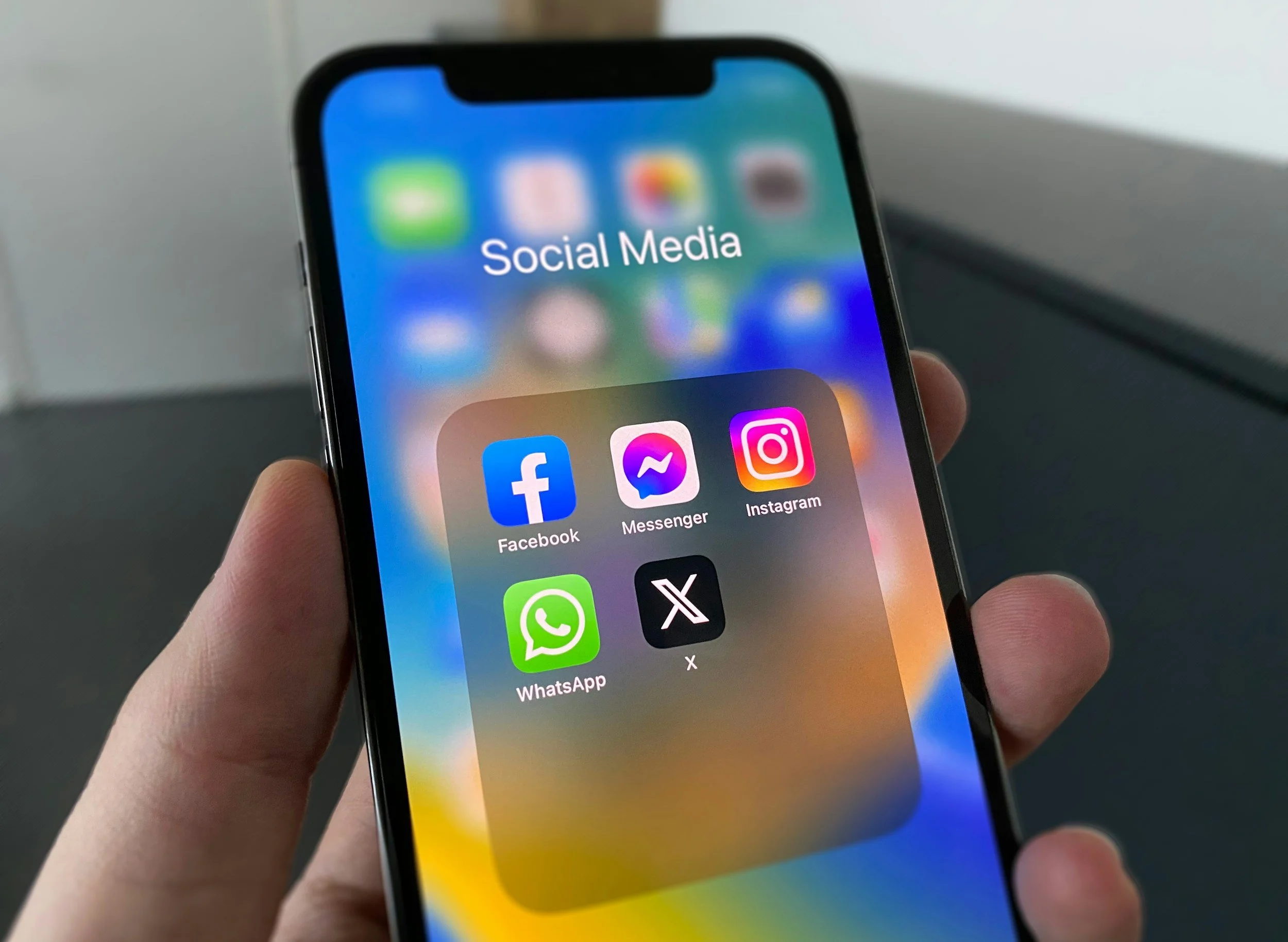
The main platforms that your small business could focus on are Facebook, Instagram, LinkedIn, Twitter/X, TikTok, and potentially Pinterest or YouTube, depending on your niche. If you’re new to social media marketing, start here for a broader overview: What is Social Media Marketing?
Facebook: Still one of the most widely used platforms, Facebook is ideal for building communities, promoting events, and running highly targeted ads. It works well for small businesses looking to build brand awareness and local engagement.
Instagram: This is an ideal choice for a visually-driven business, such as artists, lifestyle brands, food, travel, and wellness. It is perfect for showcasing products, behind-the-scenes content, and influencer collaborations. Instagram’s visual storytelling helps brands connect emotionally with audiences
LinkedIn: Best for B2B marketing, professional services, and brands looking to build authority through industry thought leadership. It’s an excellent platform for lead generation and networking with professionals and business owners.
TikTok: Offers huge potential for organic reach, especially with younger audiences. It’s a strong choice for brands that can create entertaining, authentic, and creative video content.
Twitter/X: This is great for real-time engagement, sharing updates, and connecting with niche communities. It’s also useful for brands that want to participate in trending conversations or provide quick customer support.
YouTube: Perfect for long-form video content like tutorials, product demos, and educational content. YouTube is also a great SEO tool since its videos appear in Google search results.
Pinterest: Good for brands in the lifestyle, wellness, home decor, fashion, food, or DIY niches. Its visual content makes it perfect for sharing tutorials, inspiration boards, and product collections.
How to Decide the Right Platform for Your Brand
Define Your Goals
All informed marketing decisions begin by defining your goals, and choosing the social media platform your brand should focus on is no different. Clarify what you want to achieve with your social media marketing, whether it's increasing brand awareness, driving traffic to your website, generating leads, increasing sales, building a community, or providing customer support. Your goals will influence which platforms make the most sense.
Know Your Target Audience
Understand your target audience’s demographics, interests, behaviors, and preferences. Different social media platforms attract different demographics and user behaviors. TikTok tends to attract younger audiences, while Facebook and LinkedIn reach older, more established professionals. Meet your audience where they already spend time online.
Choose Based on Content Types
Your ideal platform depends on the type of content you can consistently produce. Visual content thrives on Instagram and Pinterest, video on TikTok and YouTube, while written insights perform best on LinkedIn and X.
Consider Competition and Industry Trends
Research what platforms your competitors are using and which platforms and stay updated on emerging trends in your industry. This can help you find new opportunities where your target audience is most active.
Assess Your Resources
Evaluate your team's skills, resources, and capacity to manage and create content for various social media platforms. Choose platforms you can realistically manage. It’s better to do one or two platforms well than to post inconsistently across five.
Integrate with Overall Marketing Strategy
Social media should complement your larger brand goals. For a deeper look at how content supports your marketing strategy, read What is Content Marketing? and What is a Content Marketing Strategy?
Tips for Multi-Platform Strategy
If you are interested in using multiple platforms, start small. Focus on one or two platforms first, then expand. You can also repurpose content strategically across multiple platforms. Turn a long-form YouTube video into short Instagram Reels or TikToks. Share blog excerpts on LinkedIn or Facebook. Use Canva to reformat quotes or stats into shareable graphics. This keeps your content consistent without stretching your resources too thin.
Test, Measure, and Refine
Track your performance using analytics tools. Identify which platforms drive the most engagement, website traffic, and conversions. Continue optimizing by focusing your time where you see the strongest return.
Choosing the right social media platform isn’t about being everywhere. It’s about being where it counts. Start by defining your goals, identifying your audience, and matching your brand’s strengths to the right platform. Then, stay consistent and analyze your results.
Need help developing a strategy or choosing the right platform for your brand? Book a free consultation with Solazzo Designs to discuss your goals and create a plan that builds visibility and credibility online.